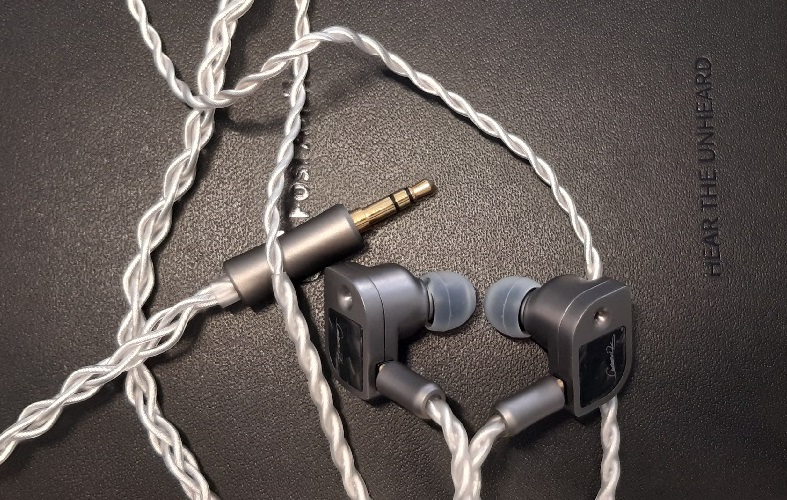
 With the Carbon12, Fosi Audio, the fast-growing Chinese audio manufacturer, is setting its sights on a new segment of the market: in-ear monitors priced at around €150. These are relatively affordable hi-fi IEMs, aimed at listeners who want to take a meaningful step up in sound quality and get their first taste of the hi-fi world.
As we’ll see, the Carbon12 are rather unusual IEMs, offering some genuinely surprising features and sound-tuning options.
Prodotti consigliati
Features
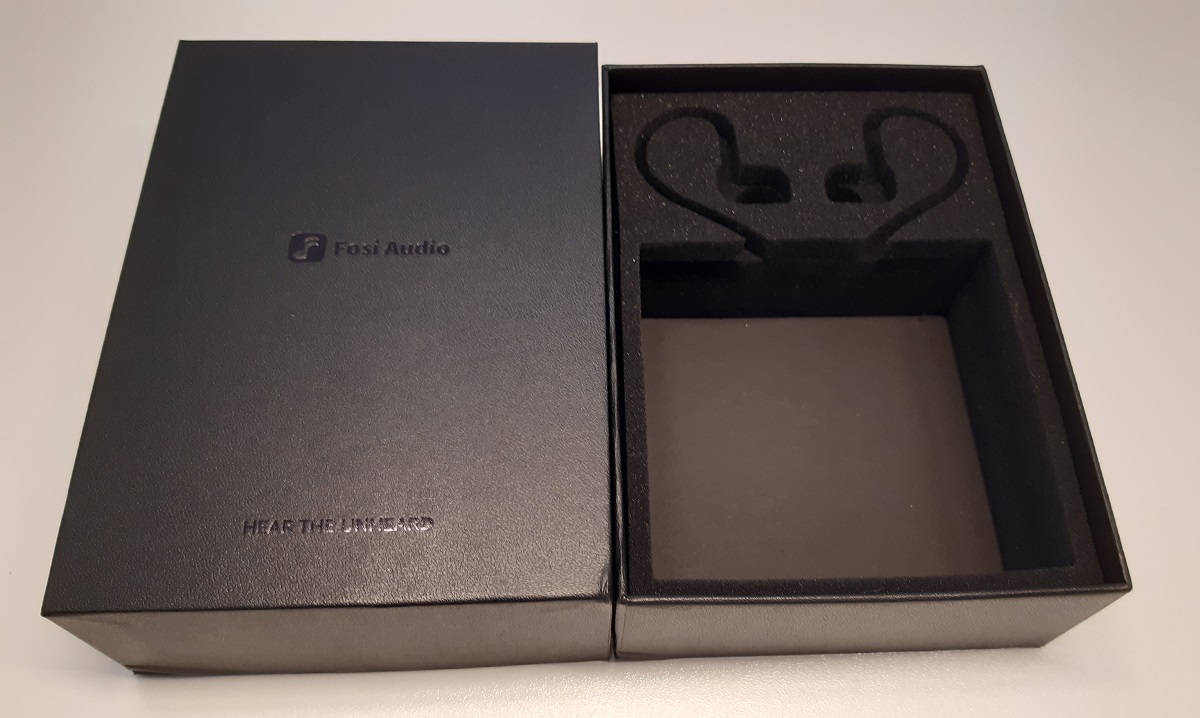
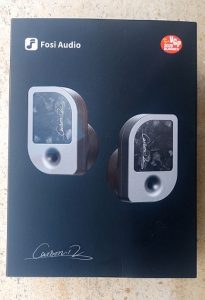 The Carbon12 arrive in an elegant black box containing a practical carrying case, a printed user manual, a pair of tweezers, and an extensive selection of ear tips and foam inserts. Together with the tweezers, these accessories let you fine-tune the IEMs’ sound, but we’ll come back to that in a moment.
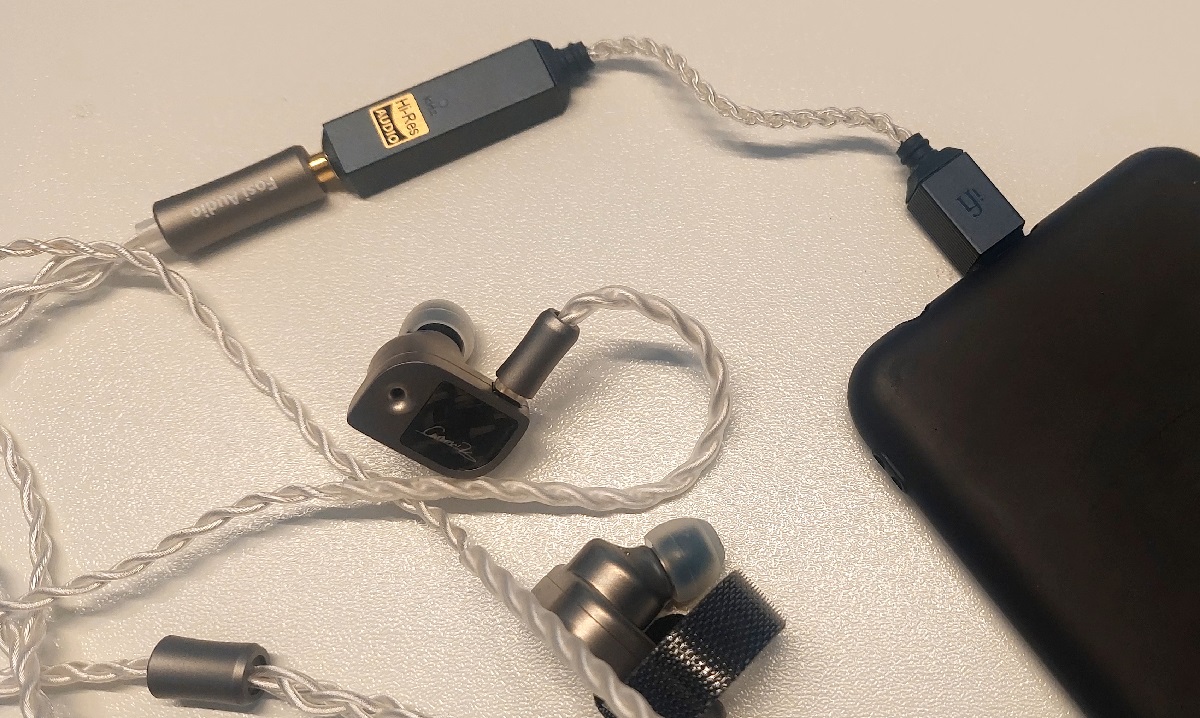
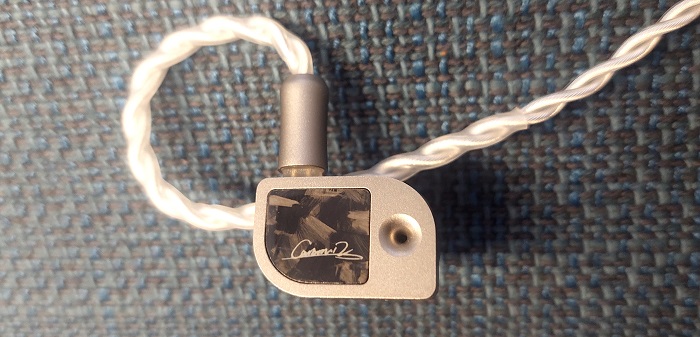
The earpieces feature titanium and aluminum shells, combining durability with low weight (around 7.5 grams per earpiece) and, according to Fosi, favorable acoustic properties. Carbon-fiber faceplates give the Carbon12 a distinctive appearance. And while we’re on the subject of looks, we have to say that in a budget IEM market often dominated by fluorescent colors and rather flashy designs, the Carbon12 show that you can create something eye-catching without sacrificing elegance.
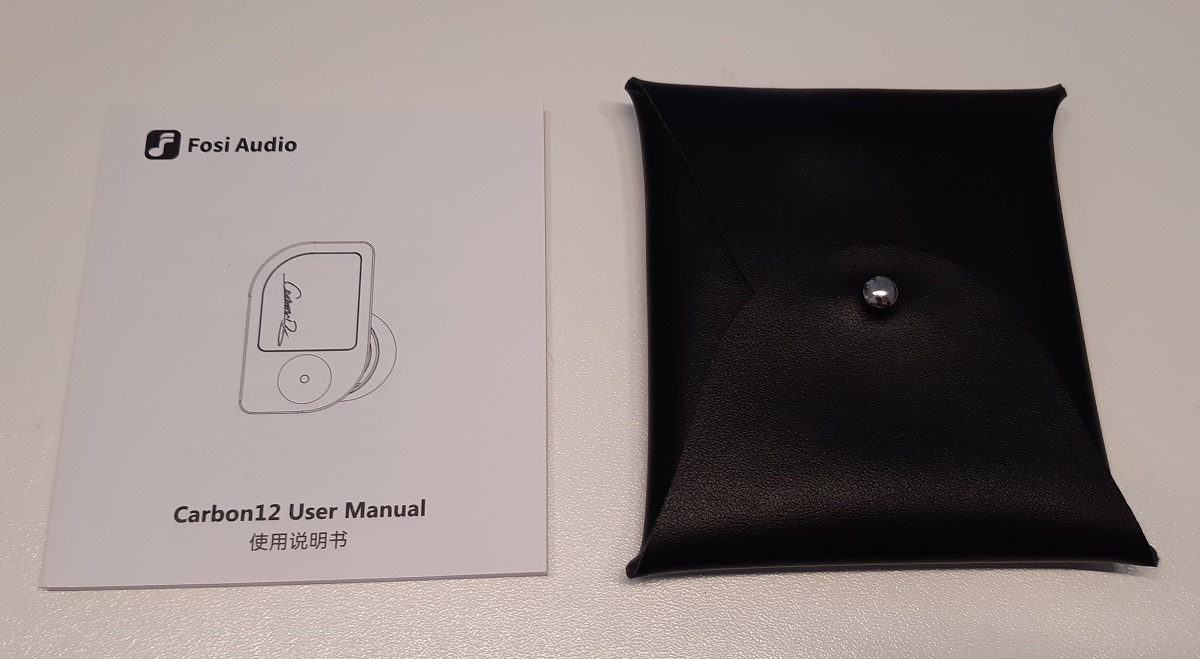
The supplied cable is a detachable, four-core, silver-plated OFC design that feels reassuringly sturdy. The 0.78 mm two-pin connectors also give you the option of upgrading to a balanced cable with a 4.4 mm termination. After several weeks of use, both the cable and the earpieces are still in perfect condition and appear built to last.
Another interesting detail is the rounded, almost bulbous shape of the shells, designed to create the impression of a wider soundstage—an important aspect of the overall spatial presentation. Inside is something even more intriguing: an ultra-thin, 12 mm pure-carbon diaphragm, which explains the Carbon12 name. Fosi describes these as the world’s first IEMs to use its UTPT technology, which it says contributes to more accurate frequency response, among other benefits.
The Carbon12 use dual-chamber dynamic drivers, with a specified impedance of 37 ohms and sensitivity of 108 dB. In practical terms, that means they’re easy to drive, even with relatively modest dongle DACs and portable DAC/amp combos.
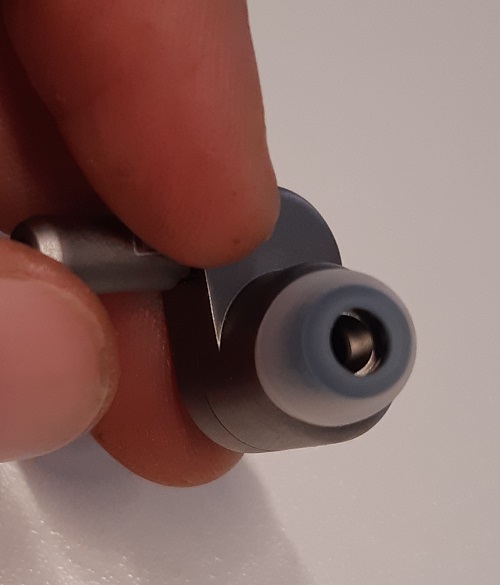
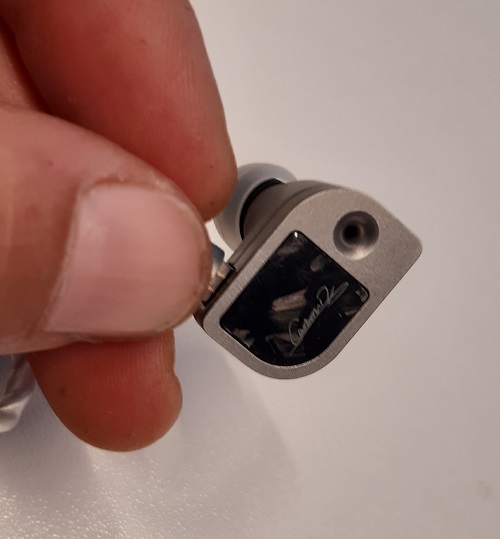
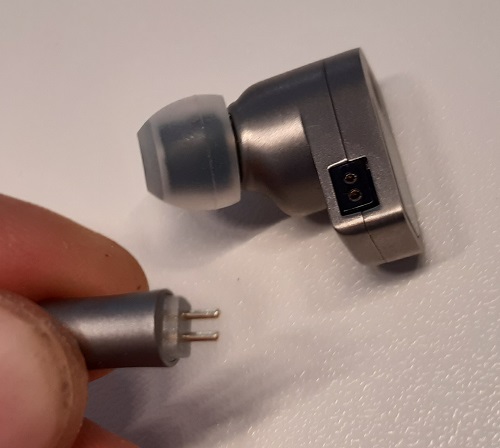
You can also connect them directly to a smartphone, provided it has a suitable audio output, although, as usual, we’d recommend using a dedicated DAC. If you’re serious about improving your listening experience, it’s worth spending a little extra on one. It doesn’t have to be expensive; even an affordable or second-hand model will do. In our view, it’s an upgrade worth making if you want to get the most from your IEMs.
Before moving on to how the Carbon12 actually sound, though, we need to take a closer look at the tuning options included in the box.
Foam and silicone
 We’re all used to finding several sizes of silicone or rubber ear tips with a decent pair of IEMs. Here, however, you get an entire collection of tips and foam inserts, organized according to the sonic effect they’re intended to produce: more bass, smoother treble, greater vocal presence, and so on.
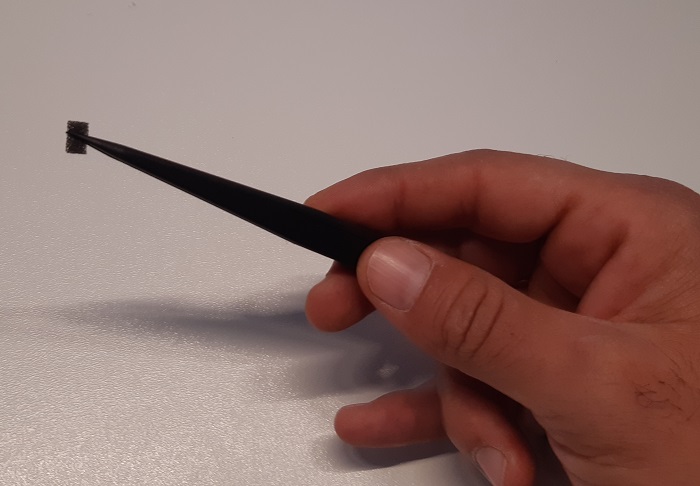
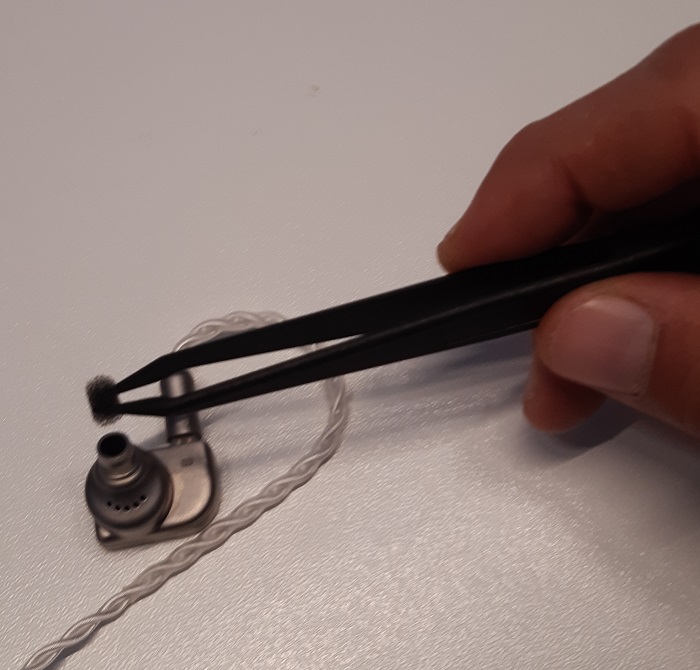
The ear tips are swapped in the usual way, simply by pulling them off and pushing on a replacement. The foam inserts, on the other hand, require the supplied tweezers.
These inserts come in different densities and are placed inside the nozzle, in the sound tube leading towards the driver. They make an audible difference to the presentation without completely transforming the Carbon12’s underlying character.
Replacing them with tweezers isn’t particularly difficult, but it does take a steady hand and a little patience, so we’d suggest doing it at home rather than on the move.
How do the Carbon12 sound?
We tested the IEMs with a range of DACs and headphone amplifiers, particularly the Fosi ZH3, an excellent affordable desktop unit; the iFi GO Link 2, a €69 dongle DAC that’s well suited to listening on the go; and, finally, the HIFIMAN Serenade WiFi, a higher-end DAC/amp with a warm, musical presentation, and the EF600, a mid-range model known for its natural sound and impressive precision.
We wanted to see how far the Carbon12 could go when paired with more capable electronics.
Well, Fosi Audio has done a very good job here.
Even without making any changes using the foam inserts, the Carbon12 immediately impress with their soundstage. It’s the first thing that stands out, and it’s not something we often encounter to this degree in IEMs at this price.
The work that has gone into the dual-chamber design really comes through in the sense of space. Naturally, the presentation can’t match the sheer openness of some full-size open-back headphones, but the stage has more than respectable width and depth, and the overall spatial presentation feels carefully judged.
Imaging is convincing, instrument separation is good, and detail retrieval is excellent for the price.
Overall, the sound is slightly warm, detailed, and fast.
Bass is tight and pleasantly quick, with a satisfying amount of presence. It transitions smoothly through the mid-bass and into the midrange, which sounds clean and clear while retaining a pleasing sense of body.
The treble is crisp and articulate, yet, to our ears, well controlled rather than harsh or piercing. If you prefer a slightly softer top end, you can always try the foam inserts designed specifically to tame the treble.
Of course, tweaking the sound with the foam inserts is a highly subjective matter.
The process is reasonably quick, but it requires care and a pair of tweezers, so it’s probably not something you’ll want to do very often. Ideally, you should try the different inserts and find the combination that best suits your tastes.
For us, though, the stock tuning is the most convincing. It strikes an excellent balance between clarity, energy, and overall tonal coherence, and we never felt the need to roll off the highs or boost the bass.
Ultimately, much depends on the music you listen to and the kind of presentation you enjoy.
The Carbon12 also proved capable of scaling very well with higher-end source equipment. That’s particularly encouraging, as it means you can continue enjoying them as you upgrade your DAC or headphone amplifier over time.
Conclusion
The well-judged tuning, excellent detail retrieval, and overall sense of a lively, slightly warm presentation—particularly appealing with vocals—combine with that surprisingly spacious soundstage to make the Carbon12 outstanding value for money.
Frankly, they’d still be a good deal at 25% more than their current price.
Regular readers will know that, for listeners willing to spend between €250 and €300 on IEMs, our usual recommendation is the HIFIMAN RE2000 Pro Silver.
But the Carbon12 compete in a different price bracket, and for now, until we find something better, they’re our top recommendation at around €150.
If that’s your budget and you’re looking for wired IEMs, you’ll be hard-pressed to find a better combination of attractive design, elegant styling, and, above all, excellent sound.


Voi cosa ne pensate?